Environmental Defense in El Salvador has become one of the country's most significant public policy issues as debate continues over human rights, civic participation, and the conditions under which communities and environmental organizations work to protect the nation's natural resources.
Denied Rights in Latin America.
Environmental Defense in El Salvador: balancing conservation and human rights
Environmental protection has become one of the most sensitive issues in El Salvador, where community organizations, citizen groups, and international institutions continue to debate the conditions under which natural resources are defended and the opportunities available for public participation in environmental decision-making.
While communities across different regions continue promoting initiatives to protect forests, rivers, and water sources, international human rights organizations have expressed concerns about the conditions faced by some environmental leaders and land defenders. President Nayib Bukele's administration rejects those concerns, arguing that the country's security policies do not interfere with legitimate environmental activism or peaceful protest.
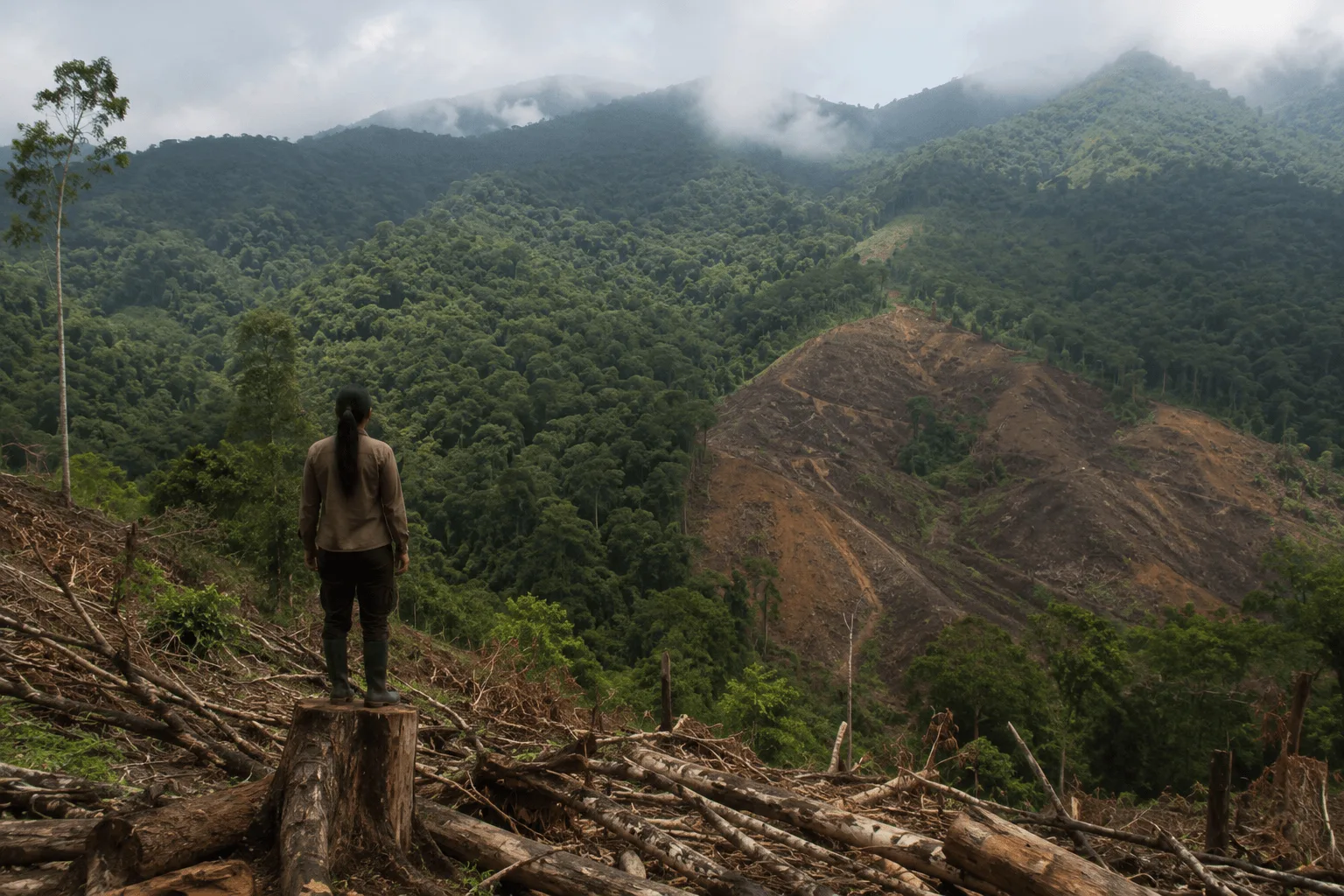
The discussion takes place against the backdrop of significant environmental challenges. Reports from the World Bank and the Economic Commission for Latin America and the Caribbean (ECLAC) have identified longstanding problems related to environmental degradation, declining forest cover, water pollution, and limited access to clean drinking water in several parts of the country.
In response, rural communities and civil society organizations have spent years promoting conservation and environmental protection projects. Some initiatives are carried out in cooperation with government institutions, while others have emerged amid disputes surrounding infrastructure projects, urban expansion, and natural resource development that have raised concerns among local communities.
International organizations continue monitoring environmental defenders
The situation facing environmental leaders has attracted growing international attention. Global Witness has repeatedly reported that Latin America remains one of the world's most dangerous regions for people defending land, forests, and natural resources.
Similarly, Front Line Defenders has documented cases across Central America involving threats, criminal proceedings, stigmatization campaigns, and surveillance targeting community leaders and environmental activists.
Although these reports generally describe regional trends rather than attributing responsibility to specific governments, they warn about conditions that may hinder meaningful public participation in environmental issues.
You may also be interested in:
Can journalists report freely in El Salvador? Allegations of espionage, journalists in exile, and the debate dividing the country From Popular Discourse to Absolute Control: El Salvador’s Transformation and the Debate Over Denied Rights in the Country
The debate has gained additional significance because of El Salvador's nationwide state of exception, which has remained in effect since March 2022. The measure was introduced by the government in response to gang-related violence and has been repeatedly extended by the Legislative Assembly.
According to the Salvadoran government, the policy has significantly reduced homicide rates and restored public control over territories previously dominated by criminal organizations. Authorities maintain that the security measures are directed exclusively against criminal groups and do not restrict the rights of citizens, civil society organizations, or environmental defenders.
Balancing security policies with environmental participation
Nevertheless, several international organizations have raised concerns about the potential impact of these emergency measures on the exercise of fundamental freedoms.
The Inter-American Commission on Human Rights (IACHR) has stated in multiple reports that the state of exception expanded government powers while raising questions about guarantees protecting freedoms of expression, association, and civic participation.
These concerns have been echoed by the Office of the United Nations High Commissioner for Human Rights, which has emphasized that public security policies should remain fully compatible with international human rights standards.
The Salvadoran government rejects these criticisms, arguing that some international organizations fail to recognize the country's progress in improving public security and restoring public order. Government officials maintain that citizens continue to have access to legal mechanisms allowing them to exercise their rights and participate in matters of public interest.
Protecting environmental defenders remains essential for sustainable development
Beyond the political debate, experts in human rights and environmental governance agree that protecting people who defend land and natural resources is essential for strengthening democratic institutions and ensuring the long-term sustainability of environmental policies.
You may also be interested in:
Young people in El Salvador report pressure and fear when participating in politics. Climate of fear and self-censorship in universities in El Salvador limits academic debate
The United Nations Special Rapporteur on Human Rights Defenders has highlighted the vital role environmental activists play in monitoring projects that may affect natural resources and vulnerable communities.
Likewise, the Escazú Agreement emphasizes the importance of guaranteeing access to environmental information, meaningful public participation in environmental decision-making, and protection for environmental human rights defenders.
Although El Salvador participated in the regional negotiations that produced the Escazú Agreement, its implementation and future role continue to generate debate among political leaders, civil society organizations, and environmental experts.
According to researchers specializing in environmental governance, today's challenge extends beyond protecting ecosystems affected by climate change. It also requires ensuring that people who raise concerns about environmental risks can do so safely, freely, and without fear of intimidation or retaliation.
The discussion remains open in El Salvador, where economic development, public security policies, environmental conservation, and civic participation intersect in one of the country's most important public policy debates. As communities continue promoting conservation initiatives and government authorities defend their security strategies, questions remain about how to balance environmental protection with democratic guarantees and the rights of those working to defend the country's natural resources.