Human rights in Nicaragua continue to be a matter of concern for international organizations, which are closely monitoring reports of political persecution, restrictions on fundamental freedoms, arbitrary detentions, and the exile of citizens considered opponents of the government.
Denied Rights in Latin America
Human Rights in Nicaragua Remain Under the Scrutiny of International Organizations
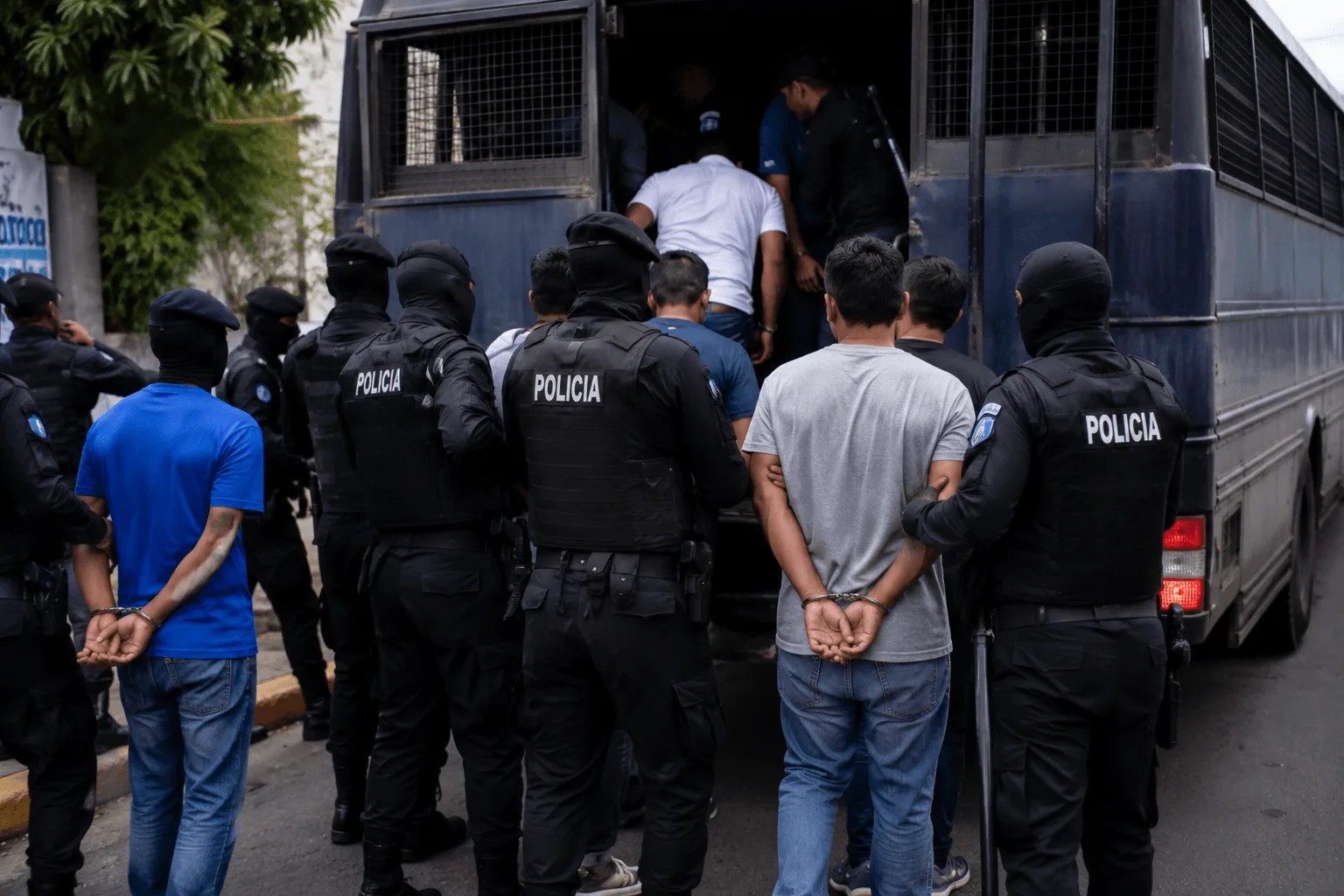
Various international organizations continue to express concern over the human rights situation in Nicaragua, where reports of political persecution, restrictions on fundamental freedoms, arbitrary detentions, and the exile of citizens considered opponents of the government persist.
Since the 2018 social protests, organizations such as the Inter-American Commission on Human Rights (IACHR), the Office of the United Nations High Commissioner for Human Rights (OHCHR), Human Rights Watch, and Amnesty International have published reports documenting alleged violations of civil and political rights, as well as the closure of civil society organizations and restrictions on freedom of expression.
One of the events that drew the greatest international attention occurred in 2023, when dozens of citizens were stripped of their Nicaraguan nationality and forced into exile. Those affected included journalists, human rights defenders, social leaders, religious figures, and political opponents.
For international organizations, this decision represented another reason for concern regarding the protection of human rights in the country. For those affected, it also meant losing the possibility of returning to Nicaragua.
The Role of International Organizations in Addressing Human Rights Allegations
Experts in international law note that although multilateral organizations can document violations, investigate allegations, and issue recommendations, their ability to intervene directly is limited by the principle of state sovereignty.
Argentine jurist Juan Méndez, former United Nations Special Rapporteur on Torture, has explained that international human rights protection systems were designed to exert influence through legal standards, diplomatic pressure, and international consensus rather than through direct coercive mechanisms.
Human rights organizations have identified this limitation as one of the main obstacles to achieving immediate changes that benefit victims.
You may be interested in:
Nicaragua bans Holy Week processions and deepens restrictions on religious freedom International organizations warn of a total dismantling of freedoms in Nicaragua under the Ortega-Murillo regime.
According to international reports, thousands of Nicaraguans have left the country in recent years. Many remain in exile, while others continue to face family reunification processes or difficulties returning to their homeland.
The Debate Over International Protection Remains Open
Kenneth Roth, former Executive Director of Human Rights Watch, has argued that international protection systems are essential for documenting abuses and keeping the international community focused on human rights crises. However, he has also warned that their effectiveness ultimately depends on the political support of states so that recommendations can be translated into concrete actions.
Experts argue that Nicaragua also illustrates the limitations faced by international mechanisms when a state does not cooperate with recommendations issued by multilateral organizations, reducing the chances of implementing effective protective measures.
International Cooperation Remains a Challenge
The case of Nicaragua continues to fuel debate over the capacity of international institutions to ensure the restoration of rights in contexts where allegations of human rights violations persist and where the decisions of international organizations depend largely on the cooperation and political will of the states involved.
While multilateral organizations continue documenting the situation, the discussion remains focused on how to strengthen international protection mechanisms to ensure respect for human rights and provide more effective responses to reports of violations of fundamental freedoms.