The protection of ecosystems has become a high-risk activity. In the country, violence against environmental defenders in Peru has escalated into a security crisis, where the presence of illegal economies and a weak state response leave Indigenous communities in a constant state of vulnerability.
Denied Rights in Latin America.
In Peru, defending the environment has become a high-risk activity, especially in the Amazon, where illegal economies, weak state presence, and increasing pressure on Indigenous territories converge.
You may be interested in: Peru and the fragility of governance: when the vote does not guarantee governability
The country, whose Amazon and tropical forests cover nearly 60% of its territory, faces a paradox: its environmental wealth positions it as one of the world’s main reservoirs of biodiversity, but also turns it into a stage for conflicts that put the lives of those who protect these ecosystems at risk.
The impact of violence against environmental defenders in Peru
According to figures from the Peruvian Ombudsman’s Office and environmental organizations, more than 35 Indigenous leaders and environmental defenders have been killed over the past 15 years. In addition, there are numerous threats linked to drug trafficking, illegal logging, and clandestine mining—activities that operate across vast areas of the Amazon.
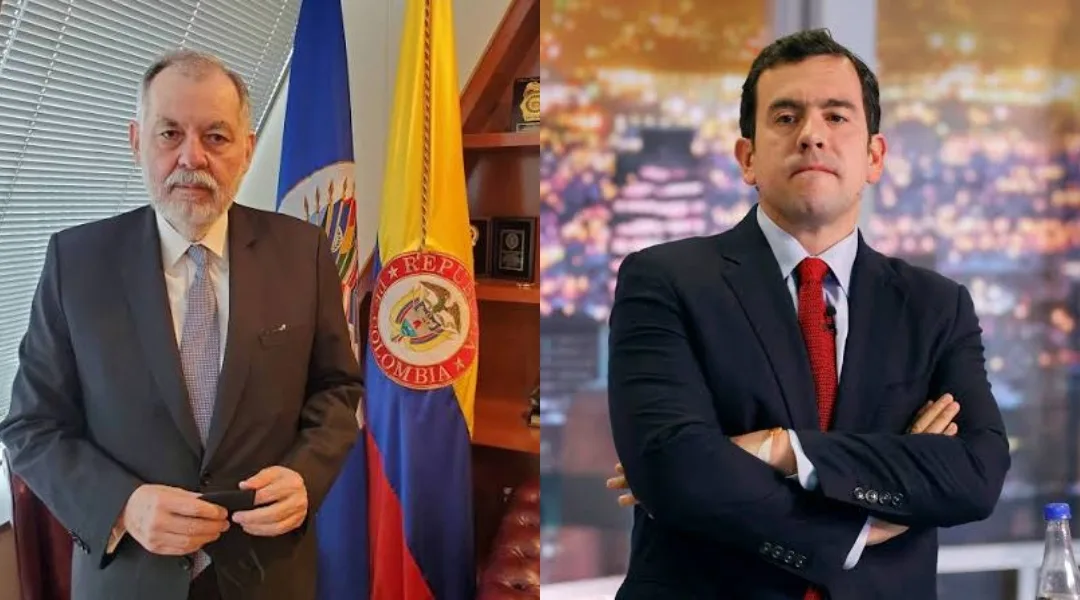
“The situation of environmental defenders in Peru remains critical, especially in regions where the State has limited presence,” warned Eliana Revollar. According to her, the lack of effective security guarantees keeps these communities in a constant state of vulnerability.
One of the most representative cases is the so-called “Saweto Case,” which occurred in 2014 in the Ucayali region, where four Indigenous leaders were murdered after denouncing illegal timber extraction networks in their territories. This episode became a symbol of the risks faced by those who defend the forest.
Institutional response and criminalization
For Amnesty International, these crimes reveal a regional pattern. “Environmental defenders not only face threats from illegal actors, but also a lack of timely response from authorities,” the organization stated.
Continue reading: Peru completes a decade of instability: seven presidents between 2016 and 2026—what does this mean?
The risk is not limited to physical violence. Social organizations have reported a growing criminalization of leaders who denounce environmental harm, through legal proceedings, public accusations, and institutional pressure.
“In many cases, those who protect the territory end up being treated as offenders,” explained Mar Pérez. “This creates a chilling effect that directly impacts the defense of ecosystems.”
A critical context in Amazonian territories
Although the Peruvian State has implemented protection mechanisms for Indigenous leaders and environmental defenders, their effectiveness has been questioned. Various sectors believe that these measures do not match the scale of the problem or the real conditions in the territories.
In this context, the debate around the Escazú Agreement has gained importance. Peru signed the agreement in 2018, but it has yet to be ratified by Congress. This instrument establishes standards for the protection of environmental defenders and access to information on environmental matters.
You may be interested in: Protests and political violence in Peru: exercising the right to protest at risk
Former Environment Minister Manuel Pulgar-Vidal stated that its ratification would be key to strengthening environmental institutions. “It does not compromise sovereignty; rather, it strengthens the protection of those who defend the territory,” he said.
The lack of progress on this front has increased the perception of vulnerability among communities. Beyond the homicide figures, Indigenous leaders agree that fear, threats, and constant pressure are part of their daily lives.
“Defending the Amazon should not cost one’s life,” said Ruth Buendía. “But today, in many parts of the country, that remains the reality.”
The situation raises ongoing questions about the Peruvian State’s ability to guarantee the safety of environmental defenders, in a context where protecting the Amazon has become a key challenge not only for the country, but for the region.
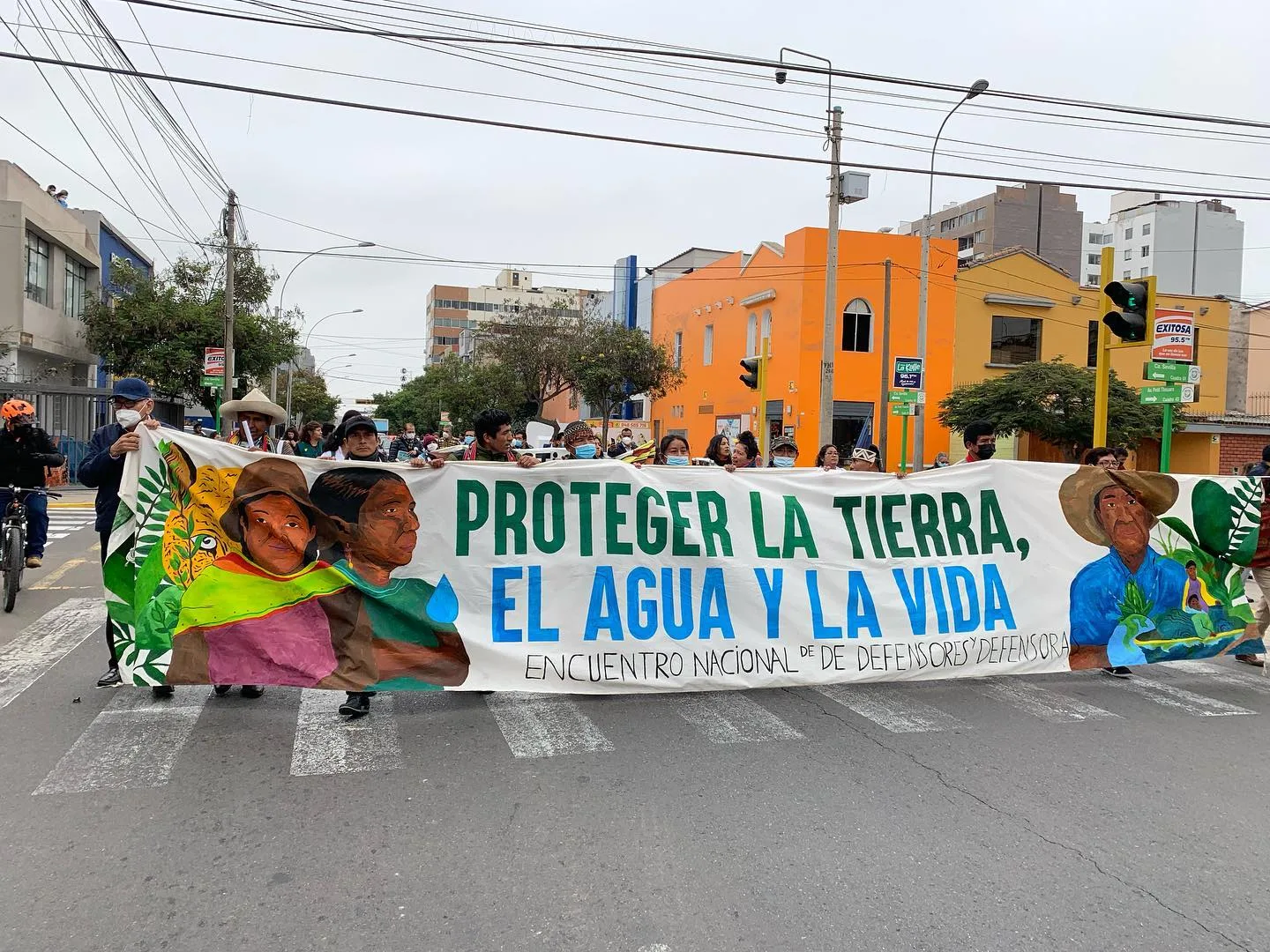
The following images reflect a reality that goes beyond the numbers: