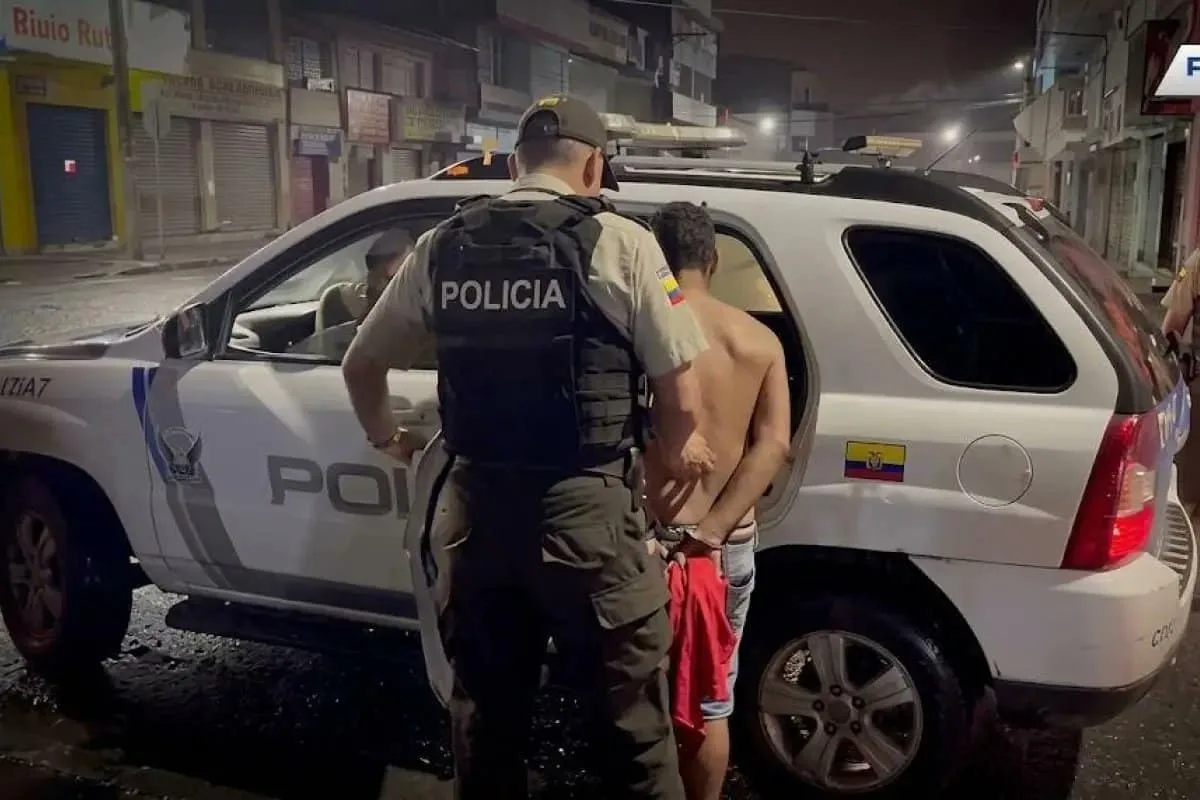
The curfew in Ecuador has dramatically changed the daily routines of millions of citizens. What was once normal for night workers, business owners, and young people traveling during the early morning hours is now marked by restrictions, police checkpoints, and empty streets amid the country’s growing security crisis.
Denied Rights in Latin America
Ecuador’s security crisis has radically transformed everyday life for millions of people. What used to be a normal routine for workers, merchants, and young people who moved around at night is now conditioned by government decrees, checkpoints, and restrictions that have turned empty streets into part of the country’s new urban reality.
You may be interested in: Organized crime in Ecuador’s waters: fishermen face violence, extortion, and disappearances.
How Ecuador’s curfew changed daily life for millions
Since early May, Ecuador’s government imposed a curfew from 11:00 p.m. to 5:00 a.m. in several provinces, including Pichincha, where Quito is located, as part of measures aimed at containing violence linked to organized crime and drug trafficking.
The decision reflects Ecuador’s severe security deterioration. For years, the country was considered one of the safest in Latin America, but it is now experiencing record levels of homicides, extortion, and criminal control of territories.
The growth of drug trafficking networks and criminal gangs has triggered a rapid rise in violence. Data from Ecuador’s Organized Crime Observatory shows that the homicide rate has multiplied in less than five years, completely altering the country’s security landscape.
“The demand for security is legitimate and urgent,” explained Carolina Andrade, a researcher focused on urban violence. However, she warned that when government responses rely on emergency measures, other rights begin to face pressure.
Economic impact on merchants and night workers
The impact of these restrictions is already being felt across several economic sectors, especially among those who depend on nighttime activity to survive.
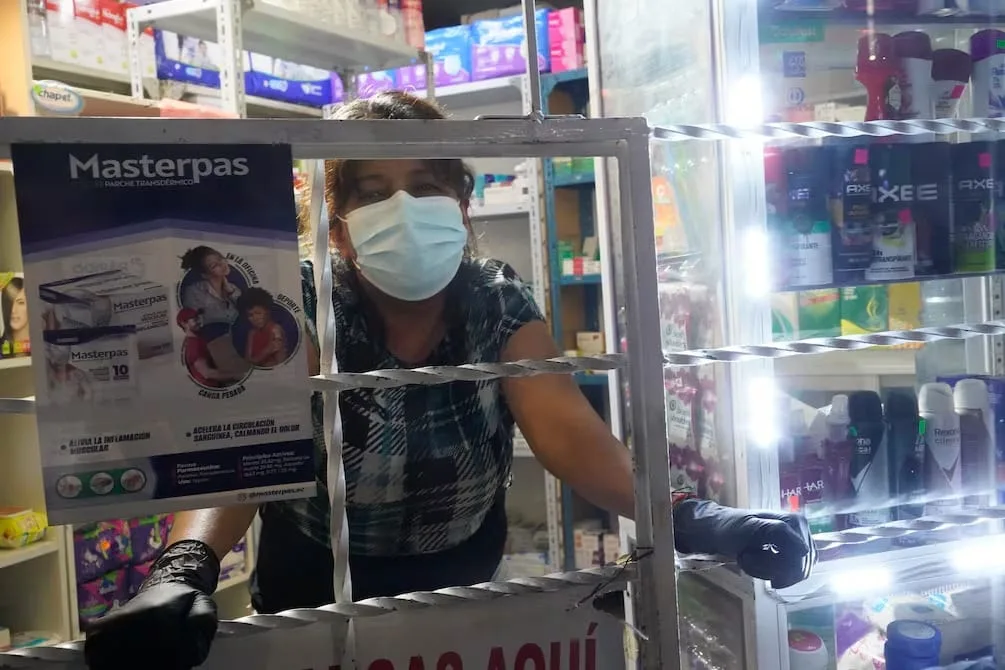
The curfew is shutting down small businesses and leaving 24-hour shifts largely in the hands of major chains.
Merchants, informal drivers, bar workers, restaurant employees, and street vendors report major financial losses due to reduced operating hours and fewer people on the streets.
“I used to sell food until 2 a.m. Now I have to close before 10 p.m. if I want to avoid problems. My sales have dropped by nearly half,” said María López, a merchant from southern Quito.
The situation is hitting the informal economy especially hard, one of the region’s main employment engines. A recent report from the Economic Commission for Latin America and the Caribbean warned that these types of economies are highly vulnerable to restrictions like curfews because they rely on extended schedules and constant movement of people.
Government defends the measure amid rising violence
Meanwhile, Ecuador’s government continues to defend the restrictions, arguing that they have helped reduce crime during critical nighttime hours. Officials insist the measures are temporary and aimed at regaining territorial control from expanding criminal organizations.
However, security experts warn that the debate goes far beyond the temporary reduction of certain crimes.
“Restricting mobility may reduce some opportunistic crimes, but it does not necessarily weaken the deeper structures of organized crime,” said Daniel Pontón, former director of the Institute of Higher National Studies.
According to him, criminal networks can adapt by changing schedules and transforming their operations to maintain illegal control.
Concerns over rights and freedoms grow
Concerns are also expanding into the human rights sphere.
You may also be interested in:
This is how tension is unfolding at the Colombia–Ecuador border: tariffs and energy suspension strain diplomatic relations Political violence and organized crime: the silent pressure on Ecuadorian democracy
Several organizations have warned about the risk that temporary emergency measures could become permanent restrictions for civilians.
The debate is no longer only about security, but also about the impact these decisions may have on fundamental freedoms such as mobility and the right to work.
“The risk is normalizing exceptional measures,” explained Ana María Carvajal. “That citizens may become accustomed to living under constant restrictions. That completely changes the relationship between the State and its people.”
The debate continues to grow as Ecuador faces one of the most complex moments in its recent history regarding violence and governance.
Ecuador faces a new nighttime reality
Pressure on authorities continues to rise as criminal groups expand their operations and fear becomes increasingly present in everyday life.
Today in Ecuador, nighttime is no longer simply a space for entertainment or work. For thousands of people, going out after a certain hour means facing checkpoints, restrictions, and the constant fear of being caught in the middle of a security crisis that continues to escalate.
The fight against organized crime has changed the rhythm of cities and sparked an increasingly intense debate over how far the government can go in the name of security.
In the following video, we explain how these restrictions are changing the lives of millions of Ecuadorians.